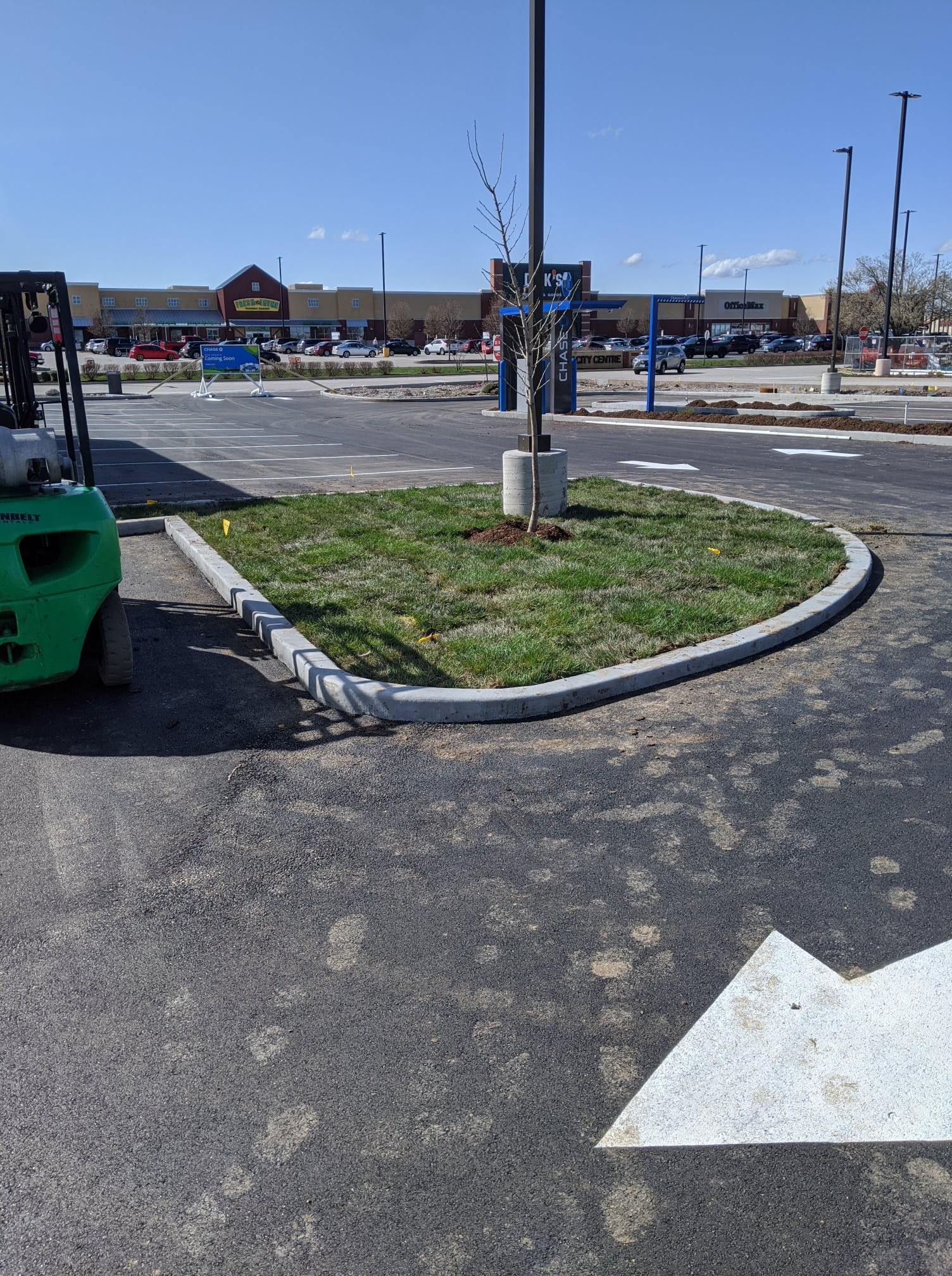
Sustainable Hardscaping: Merging Durability with Eco-Friendly Practices Jul 14, 2026
Understanding hardscaping involves recognizing the elements that do not grow—think pathways, patios, and retaining walls. These features can dramatically enhance the visual and practical appeal of a landscape. However, ensuring these elements are sustainable requires thoughtful planning and execution.
The first step towards sustainable hardscaping is choosing materials that are both durable and eco-friendly. Recycled or locally sourced materials, such as reclaimed stone or permeable pavers, are excellent choices. Reclaimed stone not only reduces waste but also adds unique character to your landscape. Permeable pavers are particularly effective, as they allow water to penetrate the ground, thus reducing runoff and aiding groundwater replenishment.
Design is also crucial in sustainable practices. Thoughtful placement of hardscape features can minimize environmental impact while maximizing benefit. For instance, strategically placing seating areas to leverage natural shade can reduce the need for additional structures, leading to conservation of materials. Additionally, employing reflective materials in the construction of patios and driveways can reduce the heat island effect, making outdoor spaces cooler and more comfortable.
Water conservation is a fundamental aspect of sustainable landscaping. Incorporating rainwater harvesting systems into hardscape designs can drastically cut down on the use of potable water. Rain barrels and permeable paving systems can redirect rainwater intelligently, preserving it for dry periods. When combined with drought-resistant plantings, these strategies make your landscape resilient and eco-friendly.
Another essential element of sustainable hardscaping is energy efficiency, especially when it comes to outdoor lighting. Solar-powered lights are an excellent option, harnessing the sun’s power to illuminate spaces and diminish your energy footprint. Similarly, LED lighting can offer a sustainable solution with its long lifespan and reduced energy consumption compared to traditional lighting options.
Contemporary homes usually require low maintenance, and sustainable hardscaping makes life easier while keeping resources in mind. Opting for long-lasting materials with natural weather resistance reduces the frequency of repairs and replacements. This durability, coupled with energy-efficient practices, not only sustains the environment but also saves money in the long term.
Beyond the physical benefits, sustainable hardscaping promotes a positive environmental impact. It fosters biodiversity by providing habitats through intelligently designed spaces like green walls or living roofs. This encourages wildlife presence and contributes to the local ecosystem’s health.
At Contemporary Landscape, we are committed to creating outdoor spaces that respect and nurture the environment. Our approach intertwines aesthetic aspirations with ecological integrity. As homeowners or business owners, you can significantly influence the environment through mindful choices in your landscape designs. Whether it’s through selecting sustainable materials or adopting practices that conserve water and energy, every effort counts.
In conclusion, sustainable hardscaping is the future of responsible landscaping. By integrating eco-friendly practices with durable materials, we can create outdoor spaces that not only meet human needs but also enhance the ecosystem's health. At Contemporary Landscape, we are excited to help you embark on this journey towards creating a beautiful, sustainable outdoor sanctuary.
/filters:no_upscale()/filters:format(webp)/media/0cb11548-8aeb-438d-b464-ebcd8b0f333f.jpeg)
/filters:no_upscale()/filters:format(webp)/media/20b8eec5-4caf-4020-88dd-3b3e4ddba96b.webp)